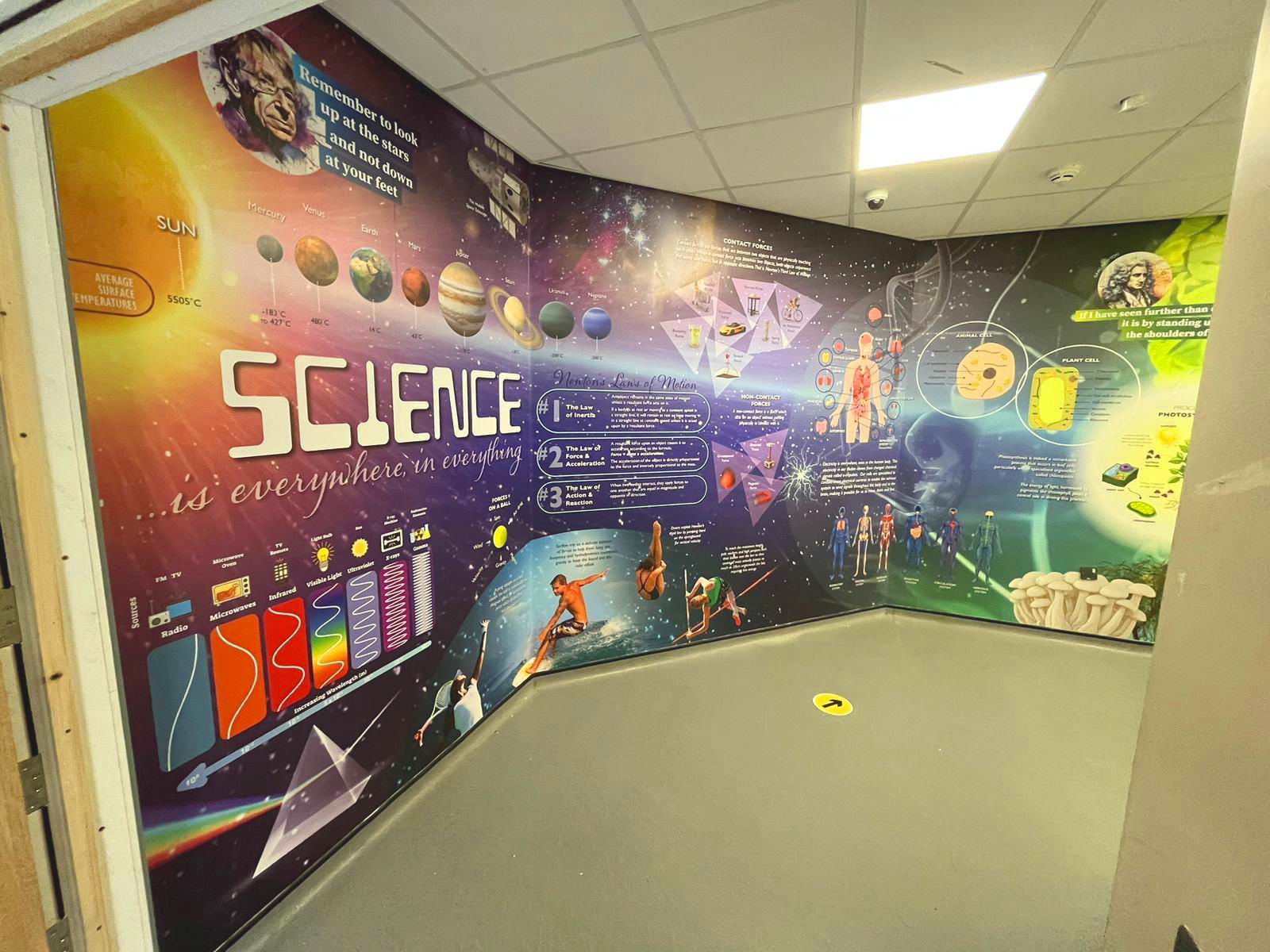
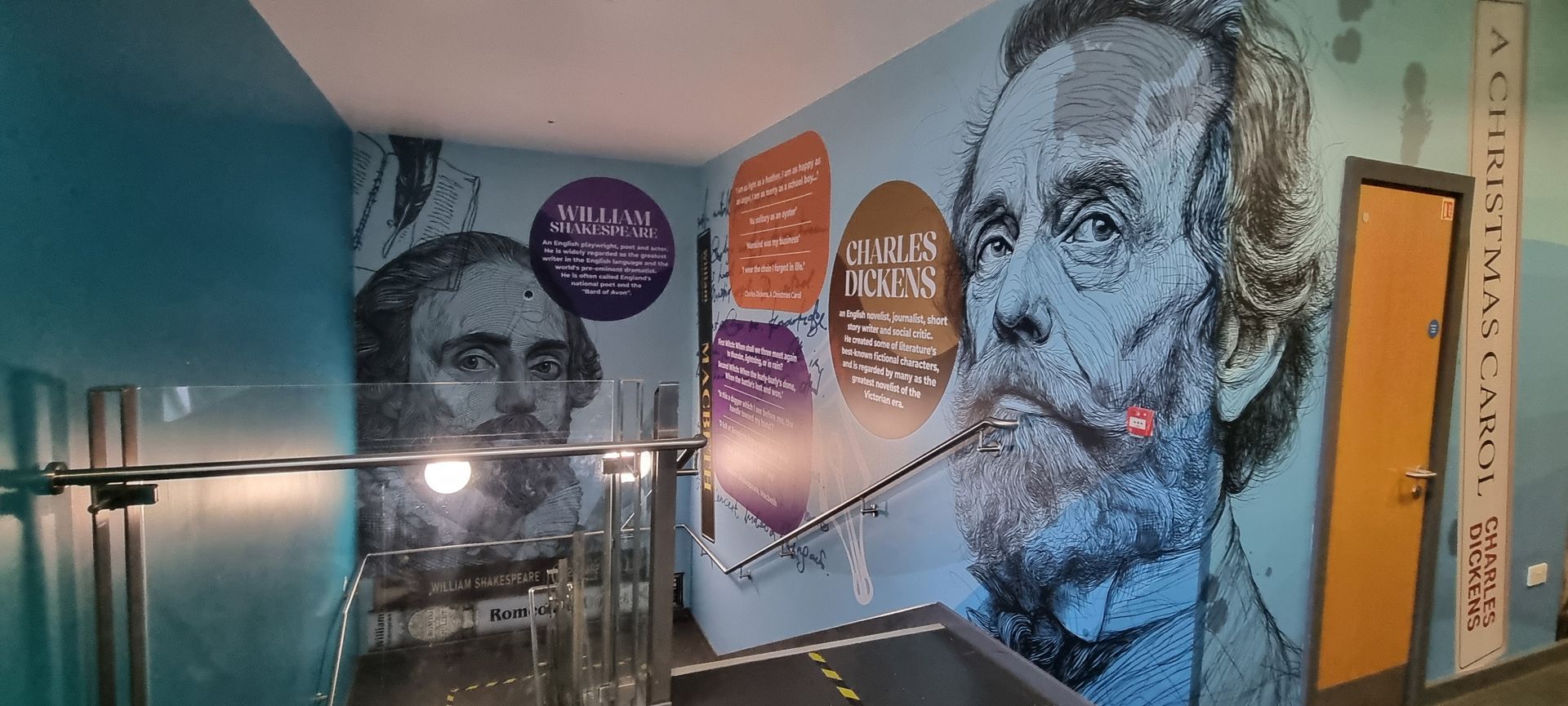
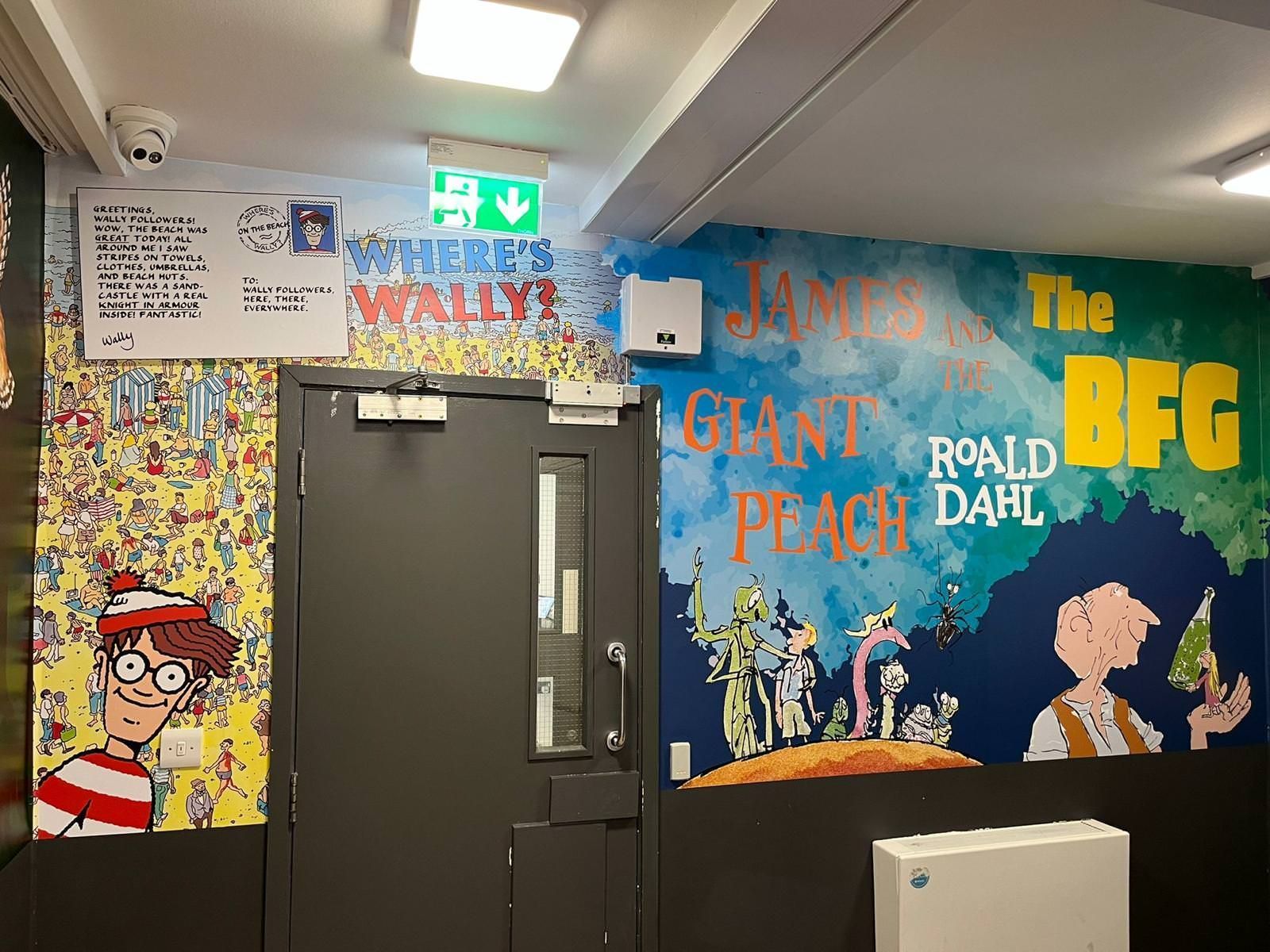
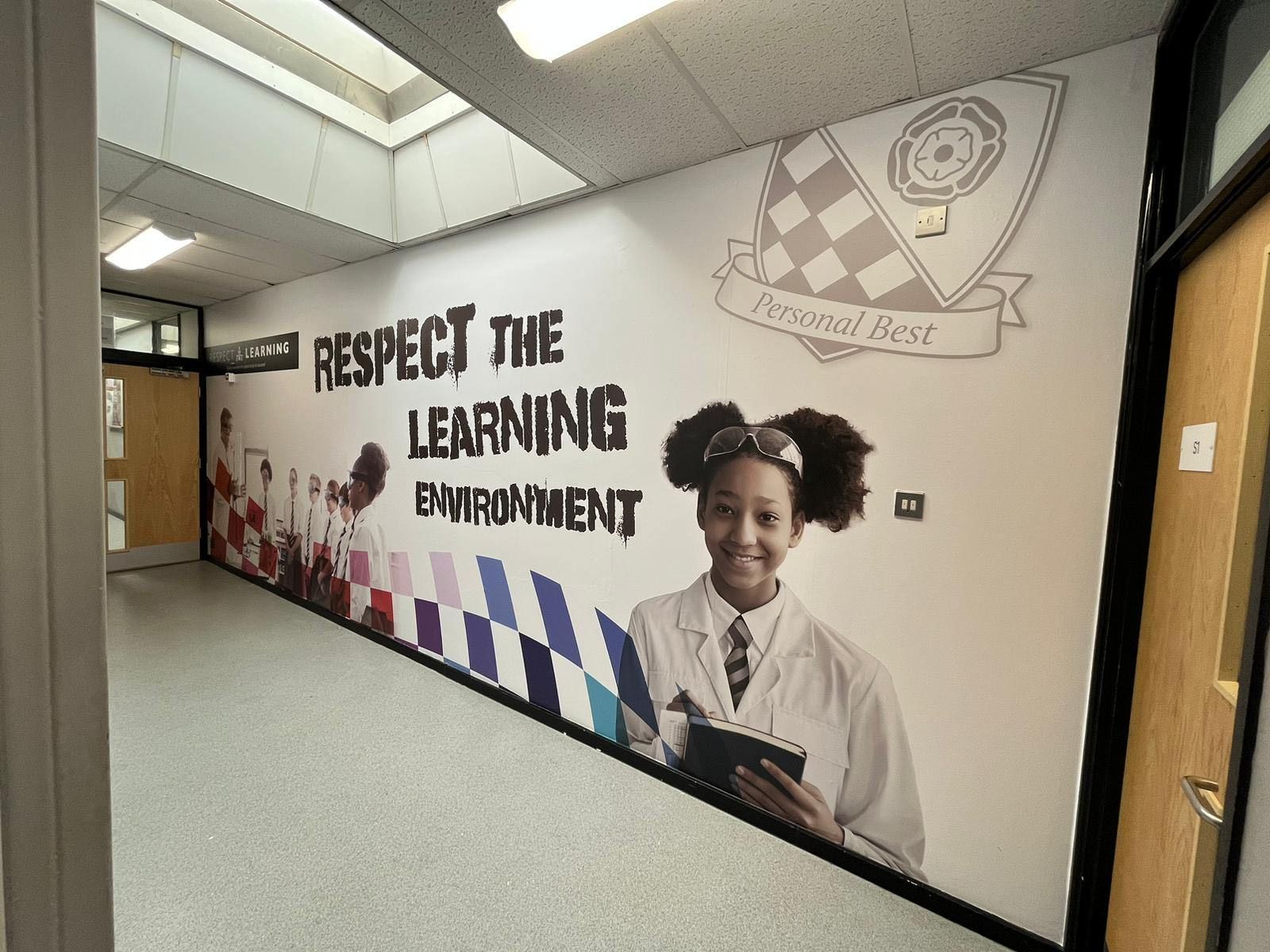
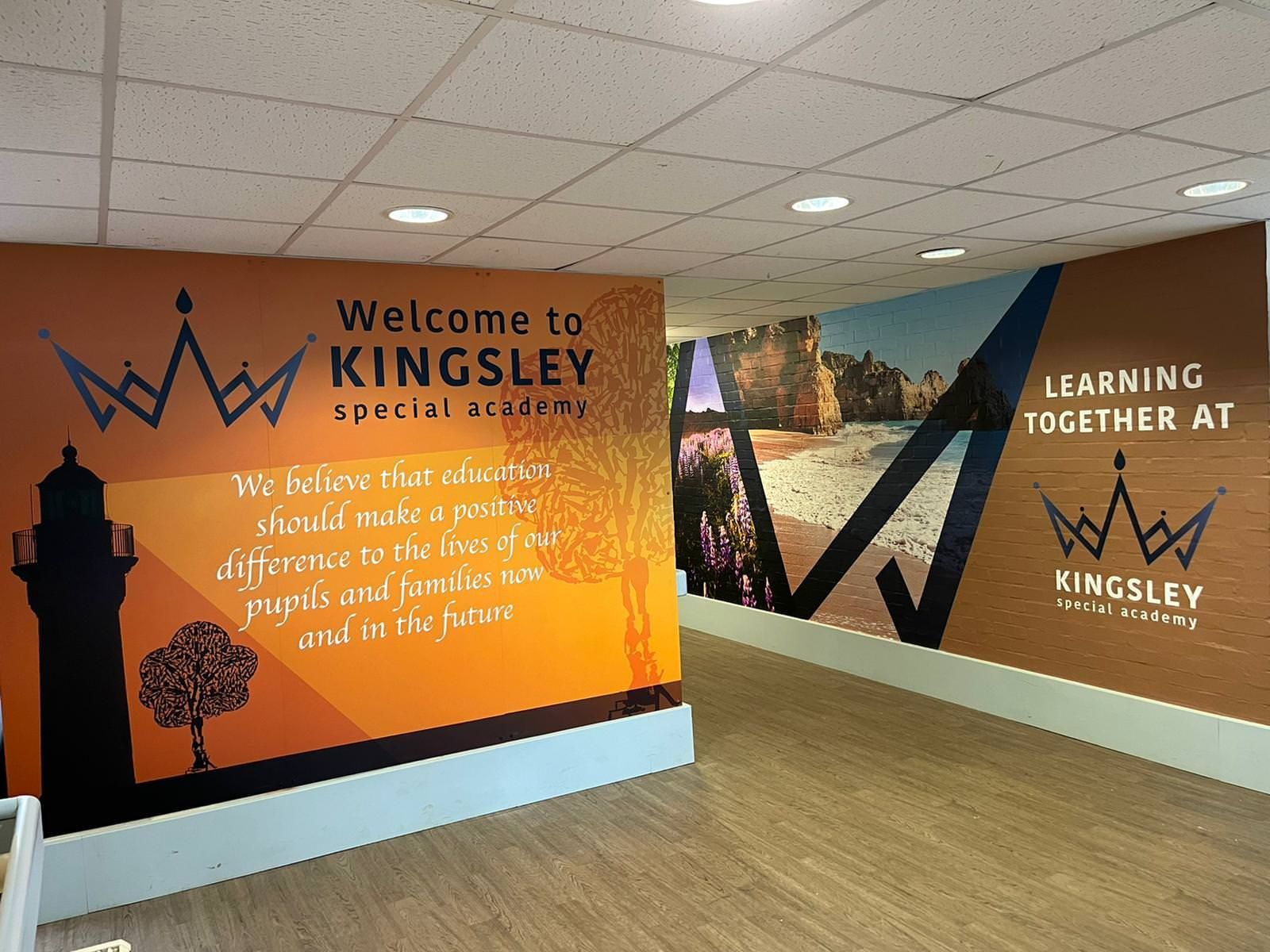
Themed Education: Visual elements centred around topics can create a learning atmosphere. For instance, a history classroom could showcase timelines, portraits of figures and critical events to help students grasp and retain the information being taught.
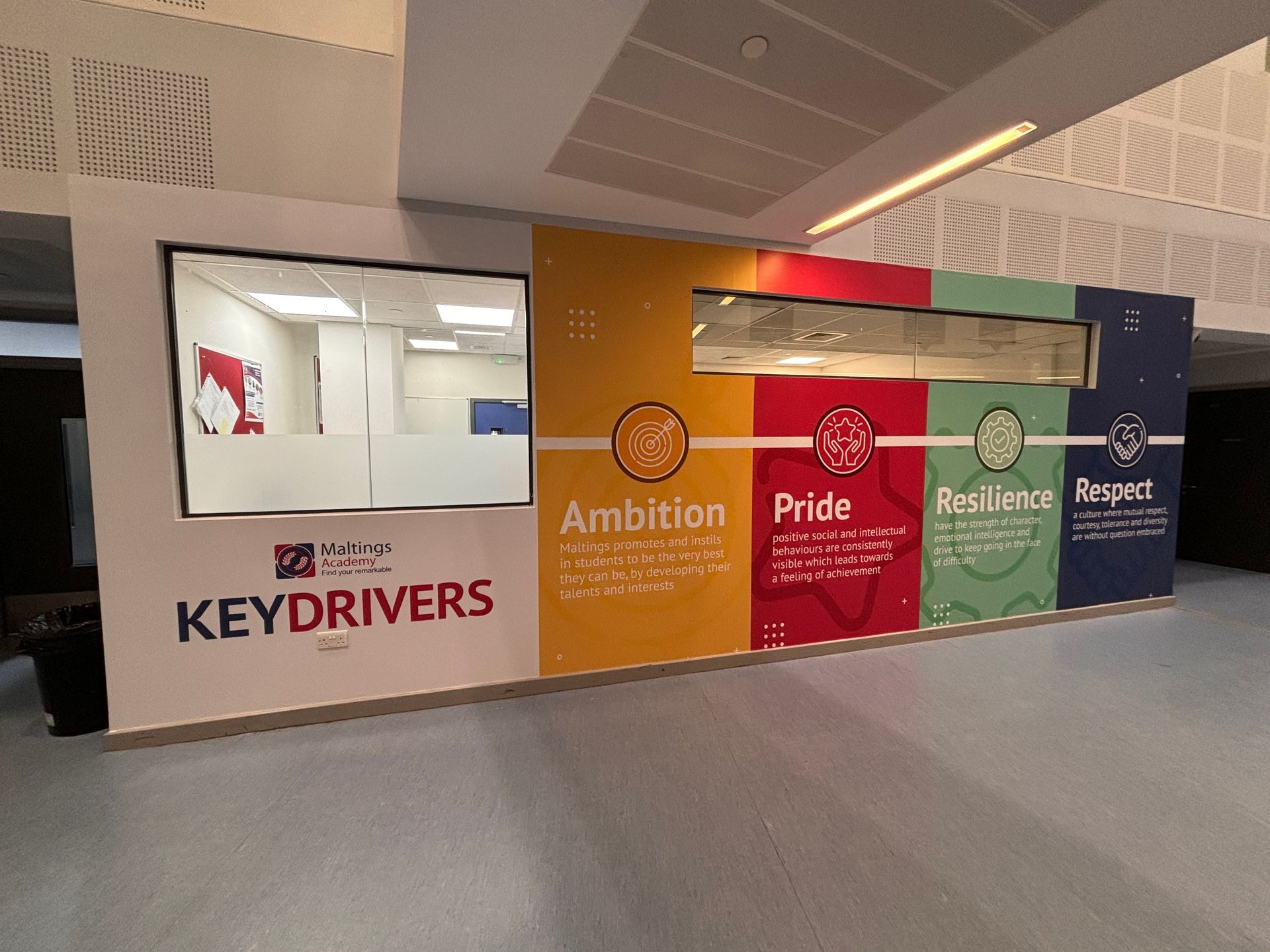
Using wall graphics for themed learning can significantly enhance the educational journey by offering context and visual aids that boost memory and comprehension. Here's how you can effectively apply themed learning across subjects;
History Classroom
Key Features;
- Timelines: Presenting timelines of eras helps students grasp the sequence of events.
- Historical Figures: Including portraits and brief biographies of figures can make history more relatable and memorable.
- Significant Events: representations and descriptions of major events aid students in visualising their impact.
Design Concepts;
- Interactive Timelines: Utilise QR codes linking to videos or additional resources on periods or events.
- Maps and Infographics: Integrate maps illustrating changes and infographics summarising complex events.
- Multimedia Incorporation: space for showcasing content, such as screens or projectors, for documentaries or historical footage.
Science Classroom
Key Elements;
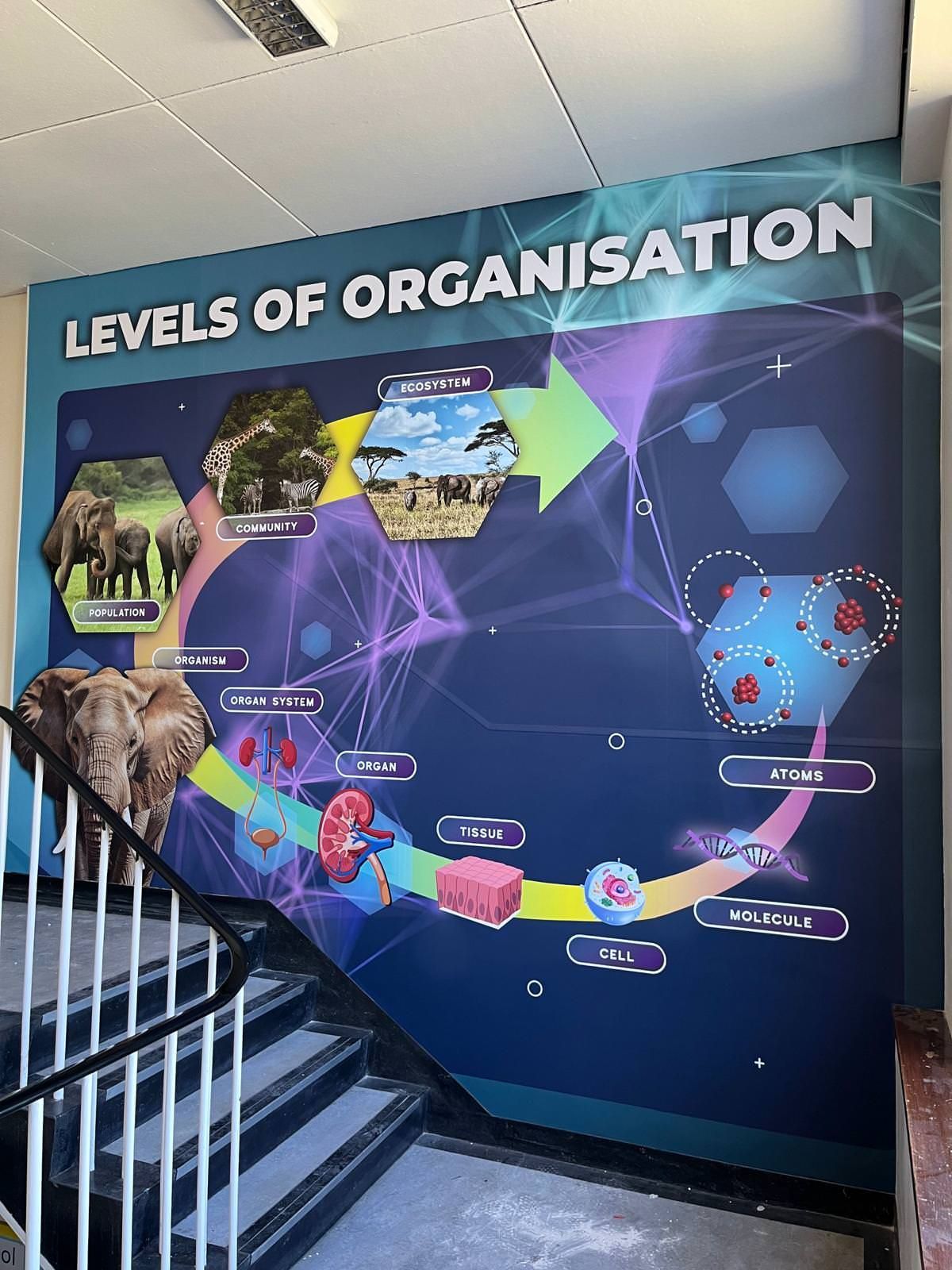
- Scientific Diagrams: Showcase intricate diagrams of body systems, the solar system, or chemical structures.
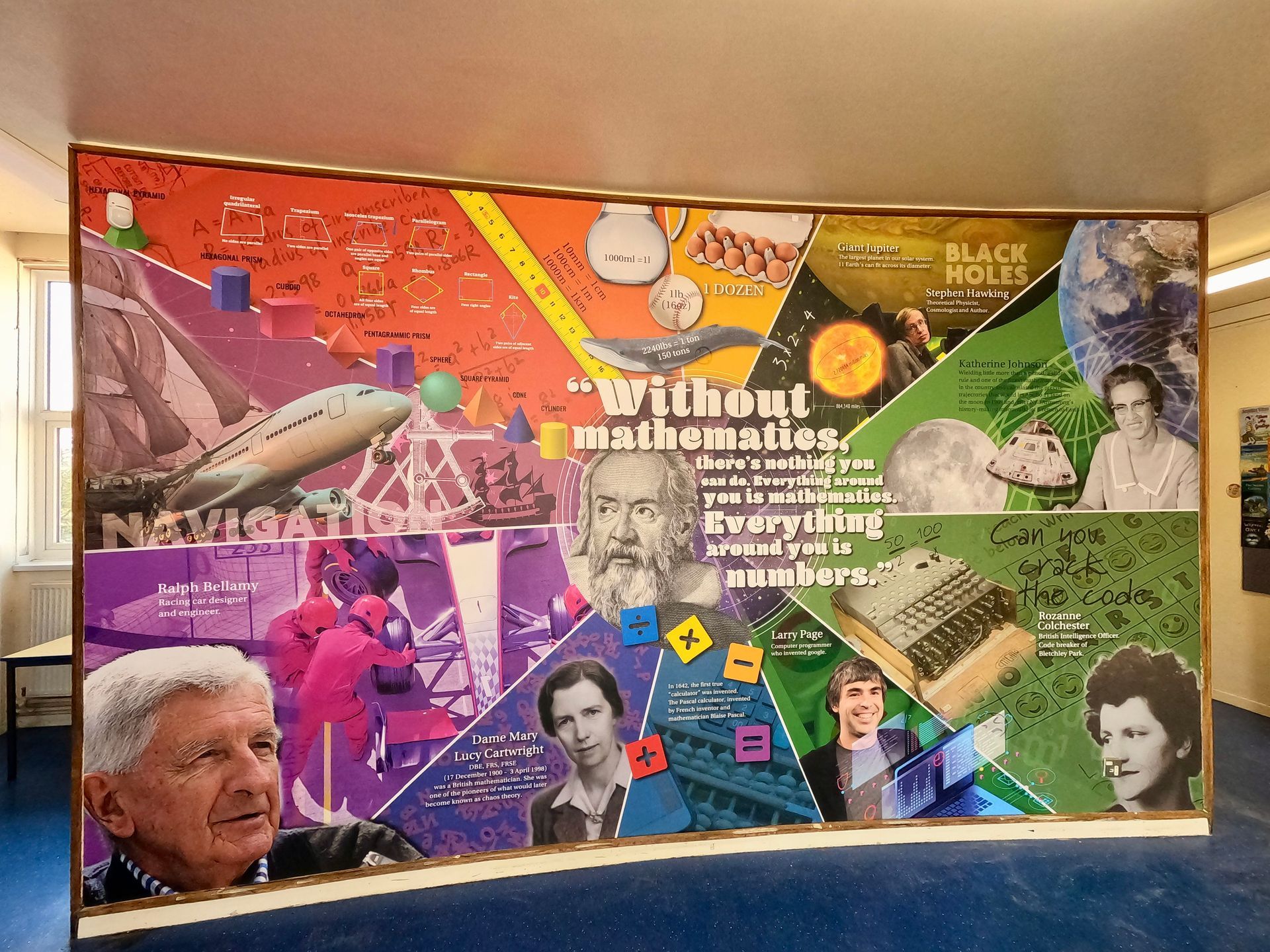
- Renowned Scientists: Profiles and accomplishments of scientists for inspiration and education.
- Visual Guides: Step-by-step illustrations of processes and experiments.
Design Concepts;
- Labelled Diagrams: Ensure diagrams are marked with elements for exploring details.
- Interactive Displays; Develop models. Augmented reality features are accessible through tablets or smartphones.
- Experiment Presentations: Sections showcasing classroom experiments with explanations.
Mathematics Classroom
Key Components;
- Formulas and Theorems; formulas, theorems and their derivations.
- Geometric Figures: representations illustrating concepts and proofs.
- Historical Background: Emphasize the context of mathematics and diverse cultural contributions.
Design Concepts;
- Formula Walls: Establish a wall featuring formulas, explanations, and practical applications.
- Puzzle Areas: Sections where students can interact with math puzzles and challenges.
- Global Math Influences: Highlight contributions from mathematicians worldwide to showcase diversity in mathematics.
Language Arts Classroom
Key Elements;
- Literary Timelines: Showcase timelines of movements and influential authors.
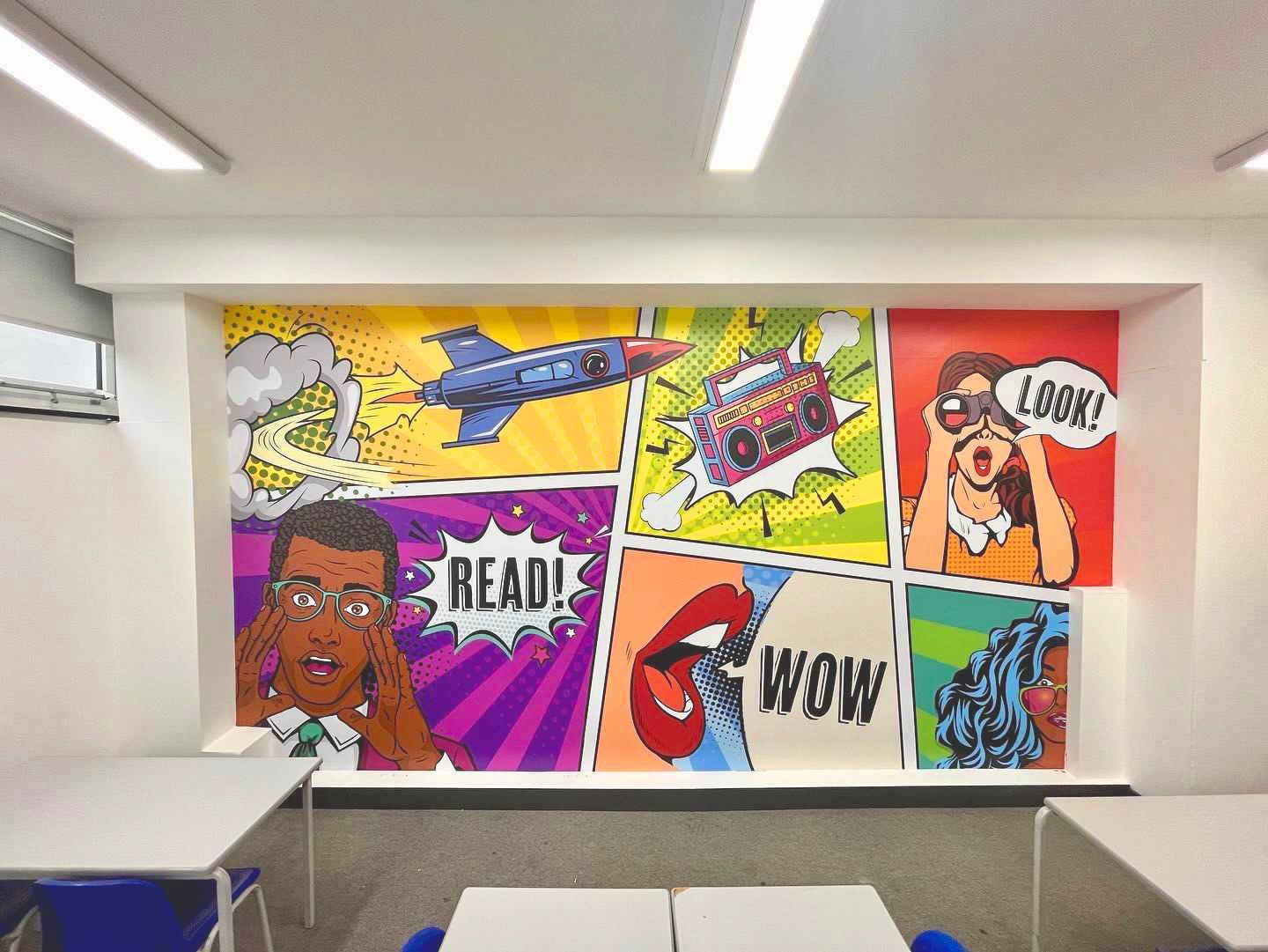
- Quotations and Passages: Include quotes and excerpts from literary works.
- Grammar Support: aids in assisting with grammar rules and vocabulary enhancement.The idea for Designs;
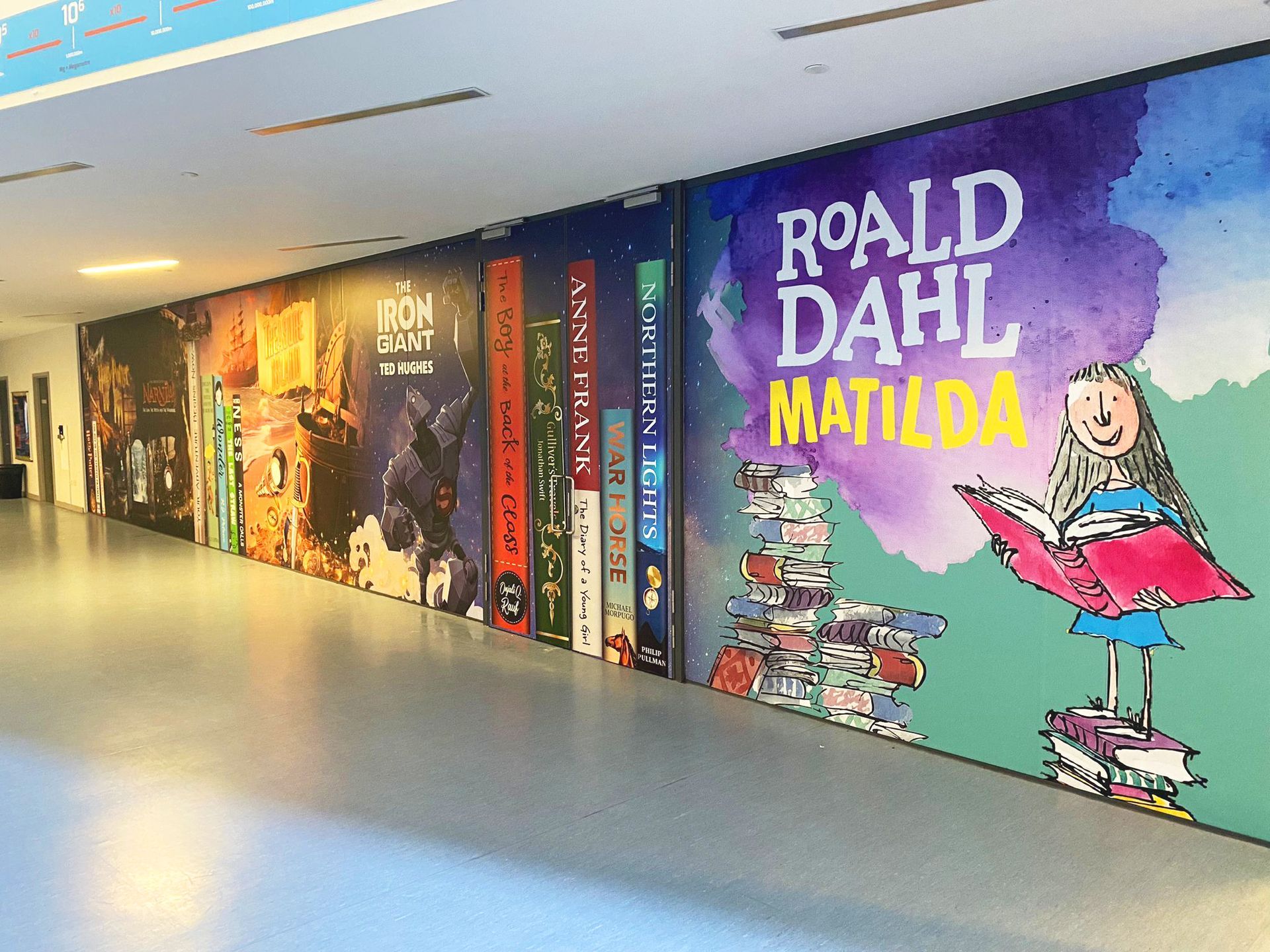
- Celebrating Authors: Featuring portraits and short bios of authors alongside their known works.
- Story Maps Interaction: Crafting maps that outline the plots of novels or tales in a way.
- Grammar Visuals: Presenting sentence structures and parts of speech through tree diagrams.
Art Classroom Essentials;
- Exploring Art Movements: A timeline illustrating art movements and their defining characteristics.
- Notable Artists Showcase: Highlighting portraits and significant works of artists.
- Techniques and Mediums Guide: Providing aids for artistic techniques and mediums.
Innovative Design Concepts;
- Art Movement Highlights sections showcasing art movements with examples and detailed descriptions.
- Tutorial on Techniques: Step-by-step guides on shading, perspective and colour mixing techniques.
- Interactive Displays: Areas for students to exhibit their work while engaging in art-related activities.
Execution Approach
- Collaboration with Educators;
- They work closely with teachers to ensure the visuals align with the curriculum objectives and educational aims.
- I would like to hear your thoughts on topics and elements for visual representation.
Student Engagement;
- They involve students in the design process by incorporating their ideas and artwork.
- We are integrating features to encourage student participation and exploration.
Regular Upkeep;
- Periodically update the visuals to reflect changes or introduce new subjects. Ensure that the content stays current and exciting in the curricula for students.
- They are using materials and printing methods to produce wall graphics.
Show your dedication to sustainability during the design and installation phases.
Crafting wall graphics tailored to subjects can transform educational spaces into vibrant interactive learning environments that encourage curiosity and deeper comprehension.
English Language Arts Classroom
Key Elements;
- Literary Timelines: timelines of movements and influential authors.
- Quotations and Excerpts: Include quotes and excerpts from literary works.
- Grammar Guides aid in understanding grammar rules and expanding vocabulary.
Design Inspirations;
- Author Spotlights: Show portraits and short biographies of authors alongside their works.Story Mapping: Develop maps illustrating the storylines of novels and tales.
- Language Structures: depictions showing how sentences are constructed and the parts of speech they contain.
Art Studio
Components;
- Artistic Movements: Timelines showcasing art movements along with their defining characteristics.
- Renowned Artists: Depictions and notable pieces from artists.
- Mediums: references illustrating diverse artistic techniques and materials.
Creative Concepts;
- Spotlight on Movements: Segments dedicated to art movements featuring examples and explanations.
- Technique Guides: Step-by-step tutorials on shading, perspective and blending colours.
- Interactive Displays: Areas for students to showcase their work and engage in art activities.
Approach Plan;
- Collaboration with Educators;
- They partner with teachers to ensure the visuals correspond to the curriculum objectives.
- I'm seeking feedback on which topics and elements would most benefit representation.
Student Engagement;
- Involve students in the design process by integrating their ideas and artwork.
- It incorporates elements that promote student involvement and exploration.
Regular Enhancements;
- We periodically update visuals to reflect curriculum modifications or introduce subjects.
- They are maintaining content freshness to keep students engaged. When designing wall graphics, use materials and printing techniques to promote sustainability. Demonstrating a dedication to eco practices during both the design and installation phases is critical.
Crafting wall graphics that address specific topics enables you to transform educational settings into vibrant, engaging spaces that encourage exploration and enhance comprehension.